Understanding Metal Roofing Benefits
When it comes to roofing options for residential and commercial properties in the Greater Toronto Area (GTA), metal roofing stands out as a premier choice. Homeowners and business owners alike are increasingly opting for metal roofs due to their remarkable durability, aesthetic appeal, and energy efficiency. This article delves into the numerous advantages of metal roofing, highlights various types available in Toronto, outlines the installation process, and provides guidance on selecting the right contractor for your roofing project. For those interested in exploring the wide range of offerings in this sector, read more about what we can provide.
Why Choose Metal Roofing?
Metal roofing presents a compelling case for both new constructions and re-roofing projects. One of the primary reasons for this choice is the longevity of metal roofs. Unlike traditional asphalt shingles that may need replacement every 15-20 years, metal roofs can last 40-70 years depending on the type and maintenance. This longevity translates into significant savings over time, as fewer replacements mean lower overall costs.
Cost-Effectiveness and Efficiency
While the initial investment in a metal roof may be higher than that of asphalt shingles, the long-term savings far outweigh the upfront costs. Metal roofs require less maintenance, resist mold and mildew, and are less likely to sustain damage from severe weather conditions. Additionally, their durability means fewer repairs and replacements, further enhancing their cost-effectiveness.
Energy Efficiency Explained
Another key advantage of metal roofing is its energy efficiency. Metal roofs reflect solar radiant heat, which can reduce cooling costs by 10-25%. This energy efficiency is invaluable in Toronto, especially during the hot summer months when air conditioning can drive energy bills higher. Furthermore, many metal roofing products are manufactured with recycled materials, making them an environmentally friendly choice.
Types of Metal Roofing Available in Toronto
Toronto's diverse architectural landscape is complemented by a variety of metal roofing options, allowing homeowners to select styles that best fit their aesthetic preferences and functional needs. Common materials include steel, aluminum, copper, and zinc, each with its own unique properties and benefits.
Popular Materials and Designs
Steel roofing is perhaps the most popular choice due to its strength and affordability. It can be coated with various finishes to enhance its appearance and extend its lifespan. Aluminum, on the other hand, is very lightweight and resistant to rust, making it ideal for coastal areas. For those seeking to make a statement, copper and zinc offer distinctive aesthetics and are often chosen for high-end residential projects.
Comparative Analysis of Metal Types
When comparing the different types of metal roofing, it's essential to consider their specific benefits, costs, and longevity. Steel roofing is generally the most economical solution, while aluminum is favored for its lightweight properties. Copper, although more expensive, is renowned for its longevity and attractive patina that develops over time. Zinc has similar aesthetic benefits to copper, along with excellent durability, making it an appealing choice as well.
Customization Options for Homeowners
Homeowners in Toronto have access to a range of customization options for their metal roofs. This includes various colors, finishes, and styles, allowing for architectural harmony with existing structures. Installation can also include features such as integrated gutters, ventilation systems, and solar panel compatibility, enhancing both functionality and aesthetics.
Installation Processes for Metal Roofing
The installation of a metal roof requires skilled labor and an understanding of specific techniques to ensure optimal performance. A professional contractor will typically follow a well-defined process that includes inspections, measurements, and careful planning.
Step-by-Step Installation Guide
- Preparation: The existing roofing materials are removed, and any necessary repairs to the roof deck are made.
- Underlayment Installation: A high-quality underlayment is applied to provide additional waterproofing and insulation.
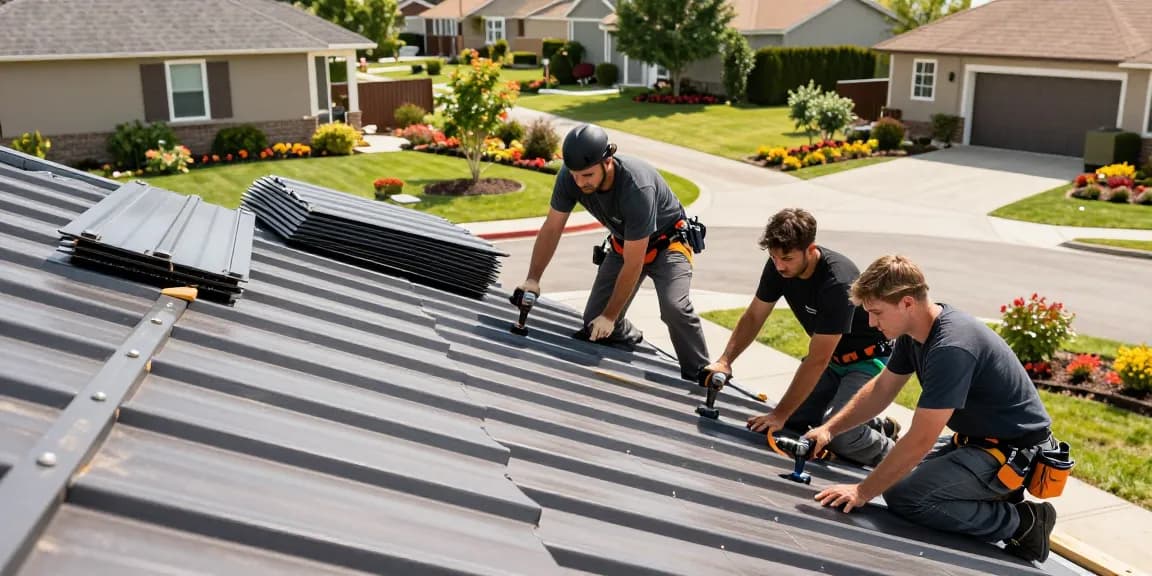
- Metal Panel Installation: Panels are installed starting from the bottom and working up, ensuring proper overlap and fastening.
- Finishing Touches: Ridge caps and other flashing components are added to complete the installation and ensure water runoff.
Tools Required for Installation
Installing metal roofing necessitates specific tools to ensure quality and safety. Essential tools include a metal shear, a high-quality drill, safety harnesses, and more. Professionals are trained in the proper use of these tools, which contributes to a smooth and efficient installation process.
Common Installation Challenges
While installing metal roofing can be straightforward, certain challenges may arise. Working in inclement weather, ensuring the roof slope is adequate for drainage, and aligning panels for a seamless look are common hurdles that experienced contractors are well-equipped to manage.
Selecting the Right Metal Roofing Contractor
Choosing the right contractor for your metal roofing project is crucial for ensuring a successful installation. It's essential to evaluate potential contractors based on their experience, reputation, and warranty offerings.
What to Look for in a Contractor
Look for contractors who specialize in metal roofing installations and have a proven track record of successful projects. Check for licenses, insurance, and customer reviews to gauge their reliability and customer satisfaction.
Questions to Ask Before Hiring
- How long have you been installing metal roofs?
- Can you provide references from previous clients?
- What warranties do you offer on your work and materials?
- How do you handle unexpected issues during installation?
Understanding Warranties and Guarantees
A robust warranty is a sign of a reputable contractor. Make sure to understand what is covered under the warranty, including potential issues related to materials and installation defects. This protection is integral to safeguarding your investment.
Future Trends in Metal Roofing
As technology advances, the metal roofing industry continues to evolve. Homeowners in Toronto can expect improvements in design, materials, and installation methods.
Innovations in Metal Roofing Technology
Recent innovations include advancements in reflective coatings and materials that further enhance energy efficiency. Smart roofing technologies that integrate solar energy generation into traditional roofing materials are also on the rise, providing homeowners with even more options for energy savings.
Environmental Considerations and Sustainability
Environmental sustainability is a growing concern, and metal roofing plays a key role in this narrative. Many metal roofs are made from recycled materials and are themselves recyclable at the end of their life cycle. As homeowners become more environmentally conscious, the demand for sustainable roofing solutions is likely to grow.
Projected Market Growth and Consumer Preferences
The metal roofing market is projected to grow significantly in the coming years, driven by increased awareness of its benefits, including durability and energy efficiency. As climate conditions become more extreme, more property owners will likely turn to metal roofing as a reliable solution.
What are the main advantages of metal roofing?
The main advantages of metal roofing include longevity, low maintenance, energy efficiency, and aesthetic versatility. These factors combine to make metal roofing an increasingly popular choice for both residential and commercial properties in the GTA.
How long does a metal roof last?
Metal roofs can last between 40 to 70 years, depending on the material and installation quality. This longevity outmatches traditional roofing materials, making them a wise investment.
Is metal roofing energy-efficient?
Yes, metal roofing is highly energy-efficient. Its reflective properties help to keep buildings cooler, reducing air conditioning costs during hot weather. Many metal roofs also feature coatings that enhance their energy-saving capabilities.
What types of metal roofing materials are available?
Popular metal roofing materials include steel, aluminum, copper, and zinc. Each type offers distinct advantages in terms of durability, cost, and aesthetics.
How do I maintain my metal roof?
Maintaining a metal roof typically involves periodic inspections for rust and damage, cleaning to prevent debris buildup, and ensuring that gutters and drains are clear. Most metal roofs are low maintenance compared to other roofing options.