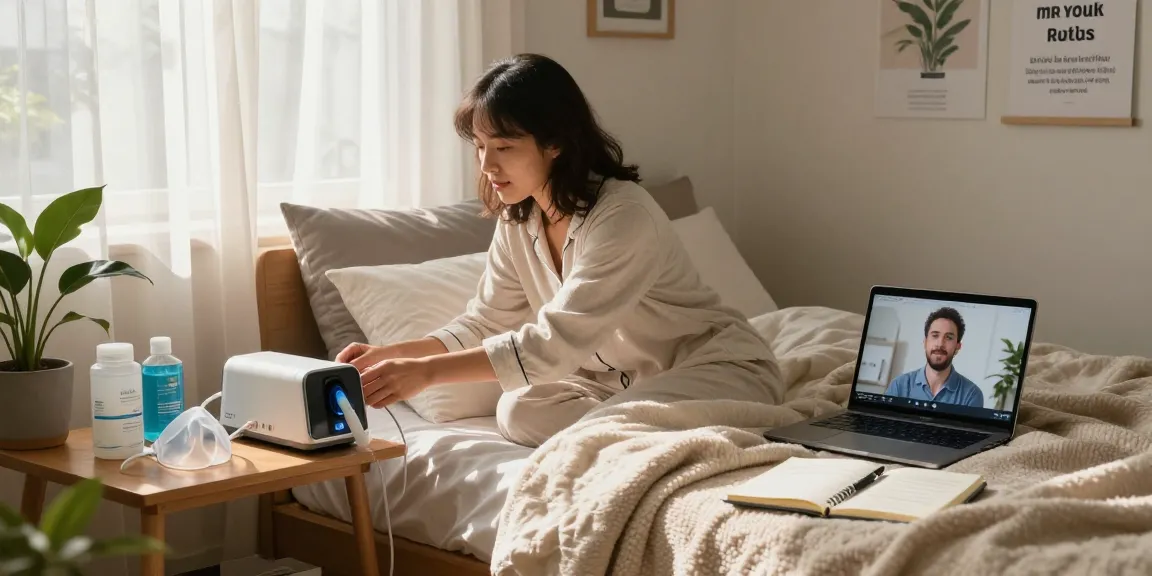
Understanding CPAP Supply: What it Means for Sleep Apnea Management
Sleep apnea affects millions worldwide, leading to significant health issues if left untreated. Central to managing this condition is understanding cpap supply—the various tools and equipment crucial for effective therapy. Continuous Positive Airway Pressure (CPAP) therapy is a common treatment that uses a machine to help keep the airways open during sleep, thus enhancing the quality of rest and overall well-being. In this article, we will delve into the components, options, and innovations surrounding CPAP supply, providing you with insights to navigate your journey to better sleep.
What is CPAP and How Does it Work?
CPAP stands for Continuous Positive Airway Pressure. This device delivers a steady stream of air through a mask that keeps the throat open during sleep. By preventing airway collapse, it mitigates the adverse effects of obstructive sleep apnea (OSA). When you breathe while using CPAP, the air acts as a splint, maintaining an open airway and allowing for uninterrupted sleep. This process not only minimizes snoring but also helps to improve oxygen levels in the blood, thus reducing the risks associated with sleep apnea, such as cardiovascular issues and daytime fatigue.
Key Components of CPAP Supply: Essential Items You Need
To effectively utilize CPAP therapy, understanding the essential components that comprise your CPAP supply is vital. Here are the key items you'll need:
- CPAP Machine: The heart of your therapy, this device generates the airflow.
- CPAP Mask: Available in various styles (nasal, full-face, and nasal pillows), the mask needs to fit comfortably and securely.
- Air Tubing: Connects the CPAP machine to the mask, delivering pressurized air directly to you.
- Water Chamber: If you have a humidifier, this chamber adds moisture to the air, enhancing comfort and preventing dryness.
- Filters: These purify the air going into the machine to reduce allergens and irritants.
- Replacement Supplies: Masks, tubing, and filters should be replaced regularly to ensure optimal function and hygiene.
Common Misconceptions About CPAP Supply
Despite the benefits of CPAP therapy, misconceptions persist. One common myth is that CPAP therapy is uncomfortable, leading to high discontinuation rates. In reality, when properly fitted, most users find their masks comfortable. Another misconception is that CPAP machines are overly noisy; however, advancements in technology have made modern machines significantly quieter. Additionally, many believe that CPAP is only for severe cases of sleep apnea, but even mild cases can benefit from this effective treatment.
Evaluating CPAP Supply Options: Choosing the Right Equipment
Types of CPAP Machines and Their Features
When it comes to choosing a CPAP machine, understanding the different types available is paramount. The most common types include:
- Standard CPAP: Provides a constant airflow pressure throughout the night.
- Auto-CPAP: Adjusts the pressure automatically based on your breathing patterns and needs.
- Bilevel Positive Airway Pressure (BiPAP): Offers two different pressure levels, one for inhalation and a lower one for exhalation, suitable for complex cases.
Choosing the right machine often depends on your specific needs, preferences, and any underlying health conditions you may have.
Understanding CPAP Masks: Which One is Right for You?
The mask is a crucial part of the CPAP supply, and selecting the right one can significantly affect your comfort and therapy effectiveness. The main types are:
- Nasal Masks: Cover the nose and are ideal for those who breathe through their noses.
- Full-Face Masks: Cover both the mouth and nose, suitable for mouth breathers or those needing higher pressure.
- Nasal Pillows: Small inserts that sit in the nostrils, providing a less obtrusive option.
It's essential to try different styles to see which offers the best fit and comfort as this will directly influence your therapy's success.
Importance of Regular Maintenance and Replacement of CPAP Supply
Regular maintenance of your CPAP supply is critical for hygiene and functionality. Here are a few guidelines:
- Daily Cleaning: Masks and tubing should be washed with mild soap and water to prevent bacterial build-up.
- Weekly Maintenance: Humidifier chambers should be emptied, cleaned, and filled with distilled water.
- Regular Replacements: Follow guidelines for replacing your mask, tubing, and filters to maintain optimal performance.
By keeping up with maintenance, you not only ensure your equipment functions correctly but also improve your overall therapy experience.
Adapting to CPAP Therapy: Tips for New Users
How to Get Comfortable with Your CPAP Machine
Adapting to CPAP therapy can initially feel daunting, but there are several strategies to help ease the transition:
- Start Gradually: Begin by using the CPAP machine for short periods while awake to get accustomed to the sensation of the air.
- Adjust Pressure Settings: Consult your healthcare provider to ensure your pressure settings are comfortable and effective.
- Optimize Mask Fit: Work with your provider to find a mask that fits well to prevent leakage and discomfort.
Integrating CPAP Usage into Your Daily Routine
Incorporating CPAP therapy into your daily life can be made easier by establishing a routine:
- Consistent Bedtime: Going to bed at the same time each night helps condition your body to expect therapy.
- Preparing Your Equipment: Set up your machine and mask each evening to streamline your bedtime routine.
- Tracking Your Progress: Using a sleep diary or an app can help monitor your sleep quality and make necessary adjustments.
Common Challenges Users Face and How to Overcome Them
New CPAP users often face challenges such as discomfort, difficulty with mask fit, or anxiety about using the machine. Here are some solutions:
- Mask Adjustment: If the mask is uncomfortable, consider trying different styles or sizes.
- Anxiety Management: Relaxation techniques or gradual exposure to the machine during the day can alleviate anxiety.
- Support Groups: Connecting with other users through forums or support networks can provide helpful tips and encouragement.
Future of CPAP Supply: Innovations and Trends for 2026
Emerging Technologies in CPAP Equipment
As we look towards 2026 and beyond, the CPAP industry is expected to see significant innovations. These may include:
- Smart CPAP Machines: Integrating advanced sensors and AI to provide personalized therapy adjustments in real time.
- Comfort Features: Enhanced materials and designs aimed at maximizing comfort for various sleeping positions.
- Portable Devices: Compact and travel-friendly machines that cater to users with active lifestyles.
The Role of Telehealth in CPAP Supply Management
Telehealth is revolutionizing how CPAP therapy is monitored and adjusted. Patients can now have virtual consultations with sleep specialists, allowing for:
- Remote Monitoring: Healthcare providers can track your therapy efficacy and make necessary changes without in-person visits.
- Easier Access to Resources: Patients can receive educational materials and support through online platforms.
- Convenient Adjustments: Quick adjustments to machine settings can be made during telehealth visits.
Expectations for Consumer Preferences and Innovation in CPAP Supply
The future of CPAP supply will likely reflect evolving consumer preferences for personalization and comfort:
- Customization: Users will expect the ability to tailor their equipment based on personal preferences and needs.
- Sustainability: More environmentally friendly options, including recyclable materials and energy-efficient machines, are expected.
- Integration with Wearables: CPAP devices that sync with wearable technology for comprehensive health monitoring.
Frequently Asked Questions About CPAP Supply
How often should I replace my CPAP mask?
It is recommended to replace your CPAP mask every 6-12 months, depending on wear and tear. Regular replacements ensure better hygiene and effectiveness.
What are the signs that my CPAP machine needs maintenance?
Common signs that your machine requires maintenance include unusual noises, decreased airflow, or visible wear on parts such as the mask or tubing.
Can I use a CPAP machine while traveling?
Yes, many CPAP machines are travel-friendly. Portable options and travel cases are available to help you maintain your therapy on the go.
Are there alternatives to CPAP therapy for sleep apnea?
Alternatives include oral appliances that reposition the jaw to keep the airway open, positional therapy that encourages side sleeping, and in some cases, surgery depending on the severity of the condition.
What insurance options cover CPAP supply costs?
Many insurance plans may cover CPAP supplies. It's best to verify with your insurance provider to understand your coverage options and any co-pays you may incur.